


-

Add: HeBei ShengShi HongBang Cellulose Technology CO.,LTD.
-

Email
13180486930@163.com -

CONTACT US
+86 13180486930




Low melt polyester staple fiber is carving out a critical niche across various industries due to its unique attributes and versatile applications. This high-performance fiber is revolutionizing the way manufacturers approach product development, blending exceptional functional properties with environmental benefits. Low melt polyester staple fiber (LMPSF) is engineered to combine superb thermal bonding capabilities with excellent mechanical strength . This fiber differs fundamentally from standard polyester fibers because its melting point allows it to integrate seamlessly into various nonwoven fabrics and textile composites. During manufacturing, these fibers are exposed to temperatures just high enough to melt them slightly, bonding the fibers together without compromising the structural integrity of the surrounding materials. This intrinsic bonding capacity makes LMPSF an ideal choice for industries focusing on sustainability and efficiency. One of the most compelling aspects of LMPSF is its significant contribution to eco-friendly manufacturing processes. As industries gravitate towards sustainable practices, LMPSF provides a solution that minimizes the need for chemical adhesives, thereby reducing airborne pollutants and the associated health risks during production. Additionally, these fibers contribute to energy savings by operating effectively at lower temperatures, decreasing the overall energy consumption of manufacturing systems. These eco-centric advantages make LMPSF an appealing choice for manufacturers committed to reducing their carbon footprint while maintaining product quality and performance. Moreover, LMPSF's versatility extends into a wide array of applications, serving sectors such as automotive, construction, hygiene products, and even fashion. In the automotive industry, for example, these fibers are used to produce lightweight yet durable interior components—enhancing fuel efficiency through weight reduction without sacrificing safety or aesthetic quality. The construction industry benefits from LMPSF through its usage in geotextiles, which provide erosion control and soil stabilization, offering increased longevity and reliability for infrastructure projects. From a technical perspective, the fiber's strong resistance to wear and environmental stressors makes it a preferred choice for high-demand applications. In hygiene product manufacturing, LMPSF is utilized in products like diapers and sanitary napkins, ensuring comfort and safety due to its hypoallergenic properties and non-toxic nature. Furthermore, the fashion industry leverages LMPSF in innovative ways—creating garments that are lightweight, breathable, and resistant to wrinkles, thus enhancing product durability and consumer satisfaction. low melt polyester staple fiber Expertise in handling LMPSF is crucial for manufacturers aiming to maximize its potential. Industry specialists, through rigorous testing and application trials, have established best practices to optimize the fiber's bonding properties and integrate it effectively into existing production lines. The development of sophisticated blending techniques ensures that products maintain a delicate balance between softness and structural integrity, which is pivotal in applications like upholstery and home textiles. In terms of authoritativeness, manufacturers and suppliers with extensive experience and strong track records in LMPSF production stand out. They invest in advanced research and development programs and adherence to stringent quality standards to continually enhance fiber performance. Such commitments to quality and innovation solidify their position as leaders within the industry, instilling confidence among their clients regarding the delivery of reliable and high-quality products. Trustworthiness in the industry is underscored by transparency and compliance with regulatory standards. Reputable suppliers of LMPSF not only comply with international safety and environmental regulations but also engage in voluntary certifications that highlight their dedication to sustainability and product excellence. This level of transparency ensures that clients receive products that are not only effective but ethical, reinforcing long-term business relationships built on trust. In conclusion, low melt polyester staple fiber is not merely a product; it represents a forward-thinking approach to manufacturing that aligns with contemporary demands for efficiency, sustainability, and high performance. By fostering innovation and adhering to the highest standards of quality, LMPSF continues to redefine industry benchmarks and spur significant advancements across multiple sectors, setting a precedent for future developments in fiber technology.
- 40000tons

Production
- 20+years

Experience
- 5000+㎡

Acreage

-
Гидроксипропилметилцеллюлозные пустые капсулы становятся все более популярными благодаря их уникальным свойствам и преимуществам. В отличие от традиционных желатиновых капсул, HPMC капсулы изготовлены из растительных материалов, что делает их подходящими для вегетарианцев и веганов, а также для людей с определенными диетическими ограничениями. Один из главных плюсов HPMC капсул - это их исключительная стабильность при температурных колебаниях и влажности, что позволяет продуктам внутри сохранять свои свойства дольше. Такая надежность становится критическим фактором для фармацевтических компаний и производителей пищевых добавок, стремящихся обеспечить качество и эффективность своих продуктов на протяжении всего их срока годности. Обладая значительным опытом в области развития нутрицефтики, многие эксперты отмечают, что эти капсулы проще в производстве и имеют меньшее количество брака по сравнению с желатиновыми аналогами. Это особенно важно в условиях производства на больших масштабах, где потери могут существенно влиять на себестоимость продукции. Ученые и исследователи неоднократно подчеркивали, что HPMC капсулы не взаимодействуют с содержимым, минимизируя риск побочных реакций и гарантируя, что пользователь получает именно те активные компоненты, которые заявлены производителем. Исследования поддерживают теорию о том, что эти капсулы устойчивы к кислой среде желудка, что способствует лучшему усвоению активных веществ. Бренды, которые стремятся укрепить свою репутацию на рынке, выбирают HPMC капсулы как символ качества и доверия . Этот выбор обусловлен не только техническими характеристиками, но и растущим числом осознанных потребителей, которые оценивают состав и прозрачность производства тех или иных продуктов. hpmc пустые капсулы Как следствие, использование гидроксипропилметилцеллюлозных капсул опирается на авторитетные научные данные и практические испытания, подтверждающие их превосходные характеристики. Это создает уверенность в их зрелости и актуальности для современных тенденций в питательных добавках и лекарственных средствах. Безопасность и надежность HPMC капсул сделали их предпочтительным выбором в открывающихся новых рынках, где устойчивые и качественные решения ценятся особенно высоко. Многочисленные предприятия из Азии и Европы инвестируют в производство и дистрибуцию этих капсул, утверждая их как стандарт для будущих поколений продуктов. В условиях глобальных изменений спроса и повышенного интереса к этичному потреблению, гидроксипропилметилцеллюлозные капсулы продолжают занимать лидирующую позицию среди аналогов. Ожидается, что их популярность будет только расти благодаря продолжающимся исследованиям и инновациям в производственной технологии. Таким образом, использование HPMC капсул подтверждает выгоду в долгосрочной перспективе и соответствует высоким стандартам качества, что делает их надежным выбором для бизнеса, стремящегося оставаться на переднем крае индустрии здоровья и благополучия.
-
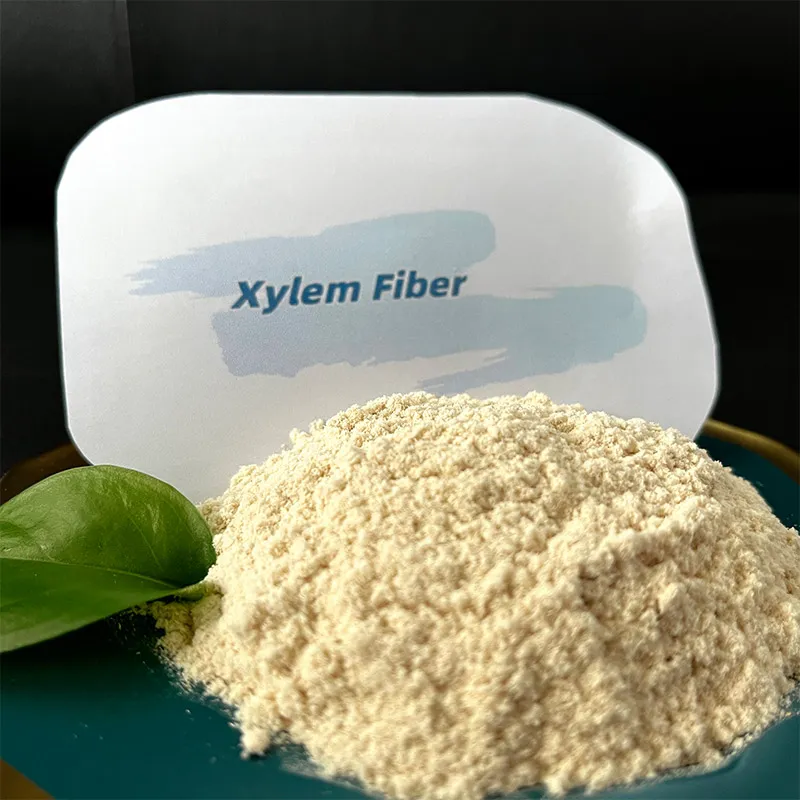
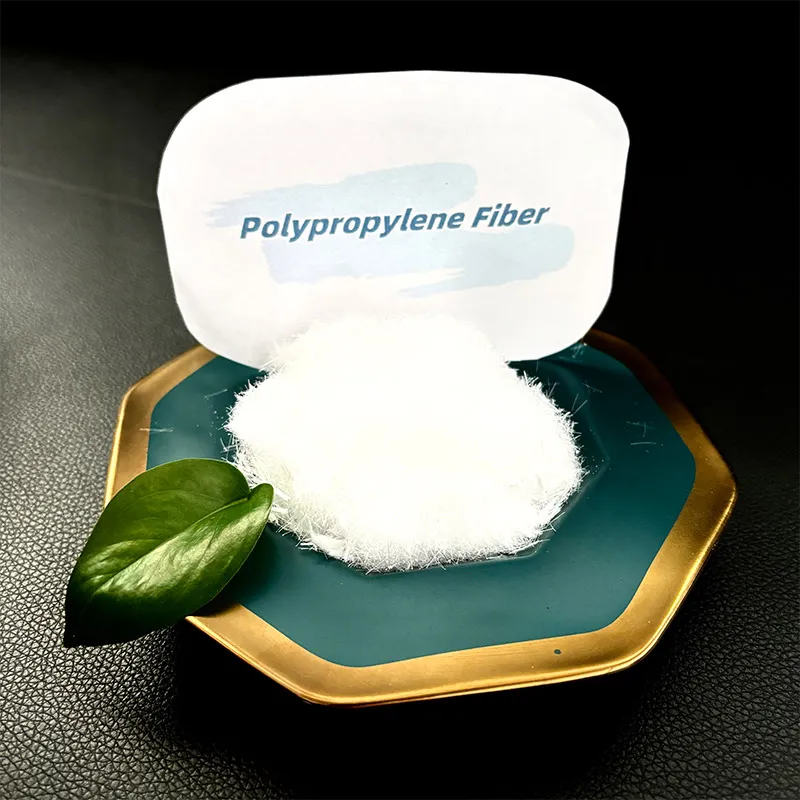
Innovative material engineering is transforming industrial textiles, and strategic blending of fibre natural and synthetic unlocks unprecedented durability, cost efficiency, and functionality. We specialize in bulk solutions that harness this synergy, offering premium polypropylene fiber for sale alongside other key synthetics to empower manufacturers seeking scalable, high-performance materials for demanding applications. The Science of Blending: Natural and A crylic Fib er s for Enhanced Performance Blending fibre natural and synthetic creates composite materials that transcend the limitations of single-fibre textiles. Natural fibres—like cotton, hemp, or jute—deliver breathability, biodegradability, and tactile comfort, while synthetics such as acrylic fiber or polypropylene fiber for sale contribute resilience, weather resistance, and structural integrity. For instance, integrating polypropylene into jute blends drastically reduces moisture absorption, a critical advantage for agricultural packaging exposed to humid environments. Our wholesale programmes facilitate tailored fibre ratios for diverse industrial sectors, from automotive interiors requiring flame retardancy to geotextiles demanding long-term soil stabilization. The synergy elevates tensile strength while preserving environmental goals, allowing bulk buyers to engineer region-specific solutions—like tropical-grade blends resisting fungal growth or arctic-compatible composites maintaining flexibility in sub-zero temperatures. Technical consultations accompany bulk orders, ensuring optimal performance alignment with project specifications. Leveraging Five Types of Synthetic Fibres in Hybrid Textiles Mastering the core five types of synthetic fibres —polyester, nylon, acrylic fiber , polypropylene, and elastane—is essential for designing advanced hybrid textiles. Each synthetic brings irreplaceable properties: acrylic fiber excels in thermal insulation for outdoor gear blends, while polypropylene fiber for sale offers chemical inertness ideal for medical textiles or filtration systems. Synthetic jute , engineered from polymers, replicates natural jute’s texture but enhances consistency and mildew resistance, making it invaluable for export packaging or reinforced composites. When blended with natural fibres, these synthetics mitigate weaknesses—like adding polypropylene to cotton to reduce shrinkage in industrial workwear. We supply all five synthetics in bulk quantities, supported by comprehensive technical documentation detailing attributes like thermal stability and abrasion thresholds. Real-world applications demonstrate extended product lifespans in abrasive environments, such as conveyor belts in mining or protective tarpaulins for construction. Synthetic Jute: Revolutionizing Eco-Conscious Material Blends Synthetic jute is redefining sustainable material solutions for wholesale buyers. Sourced from polypropylene fiber for sale or recycled polymers, it mirrors natural jute’s eco-appeal while eliminating variability in weight and moisture sensitivity—crucial for high-volume manufacturing. Blending synthetic jute with fibre natural and synthetic components (e.g., bamboo-polypropylene hybrids) yields tear-resistant fabrics for geotextiles or biodegradable planters. Our vertically integrated production guarantees rapid bulk order fulfillment, with options for custom enhancements like ultraviolet stabilization for outdoor furniture or antimicrobial treatments for healthcare textiles. Brands leveraging our synthetic jute report significant cost efficiencies versus pure natural fibres, without sacrificing circular-economy credentials, as these blends simplify recycling streams and reduce agricultural dependency. Strategic Sourcing: Bulk Polypropylene Acrylic Fiber and Beyond Optimizing blend performance hinges on strategic wholesale sourcing of core materials. Polypropylene fiber for sale remains indispensable for sectors prioritizing hydrophobicity and recyclability—think marine ropes, nonwoven medical fabrics, or automotive liners. We streamline bulk procurement of PP fiber alongside the full spectrum of five types of synthetic fibres , including niche-grade acrylic fiber for acoustic panels and engineered synthetic jute for circular packaging. Our global logistics network ensures reliable, large-volume deliveries to manufacturing hubs, complemented by blend-validation testing. Partnerships with us unlock R&D advantages, such as substituting cotton with synthetic jute in upholstery to minimize water-intensive processes, aligning with evolving sustainability mandates. FAQs about Fibre Natural and Synthetic How does blending natural fibres with polypropylene fiber for sale improve cost efficiency? Blending reduces reliance on price-volatile natural fibres while leveraging the economical production of polypropylene fiber for sale , yielding substantial cost reductions in bulk manufacturing without compromising functional performance. Which of the five types of synthetic fibres works best with natural jute substitutes? Synthetic jute harmonizes exceptionally with nylon for elasticity-driven applications or acrylic fiber for thermal insulation, creating versatile composites for furniture padding or technical textiles. Can acrylic fiber enhance sustainability in blended textiles? Absolutely. Acrylic fiber ’s durability extends product longevity, reducing waste. Our recycled acrylic variants further diminish environmental footprints, supporting greener bulk production cycles. What bulk quantities apply to synthetic jute orders? We accommodate scalable volumes, with competitive pricing tiers activated at threshold quantities. Custom synthetic jute blends require minimum order volumes for feasibility. How do I test blends using fibre natural and synthetic for my industry? We provide tailored sample kits for real-world performance trials, alongside certified lab analyses assessing parameters like tensile endurance and environmental degradation
advantages
-

200000 Viscosities
Excellent product
We can produce pure products up to 200,000 viscosities
-

40000 tons
High yield
We don’t stop production all year round, and the annual output can reach 40,000 tons
-

24 hours
Quality service
We provide 24-hours online reception service, welcome to consult at any time
———— Inquiry Form
Schedule A services
-
 fungsi_hpmc
Oct . 25, 2025
Methyl hydroxyethyl cellulose (MHEC) is a versatile compound primarily used in the construction , ph -
 produsen_bubuk_polimer_yang_dapat_didispersikan_kembali
Oct . 25, 2025
Hydroxypropyl Methyl Cellulose Manufacturers An Overview Hydroxypropyl methyl cellulose (HPMC) is a -
 fibre_de_velours_en_polypropylene
Oct . 25, 2025
In today’s competitive construction industry, the demand for high-performance additives has surged,


